How to Start a YouTube Channel in Europe: Setup, Cost & First 10 Videos
18 Nov 2026
Quick takeaway ⚡
Starting a YouTube channel in Europe costs $1.99 and takes about ten minutes to set up — the real work is what comes after. You need one topic, a phone, a quiet corner with decent light, and a habit of posting every week. The free tools get you your first ten videos. The paid tools on this store — CapCut Pro from $5.99 a month, ElevenLabs at $10.99 a month, ChatGPT 5 from $8.99 a month — make each video faster and better looking, and you buy them when your channel starts growing, not before. To earn from ads you need 1,000 subscribers plus 4,000 watch hours or 10 million Shorts views, and from 1 February 2027 new applicants need double that — 8,000 hours or 20 million Shorts views. This guide covers the whole road: the setup, the recording, the editing, the costs, and the honest limits nobody tells you on day one.
What does starting a YouTube channel in Europe actually mean? 🎬
A YouTube channel in Europe is a free Google account with a channel name, a profile picture and a banner — nothing more to begin with. You upload videos, YouTube shows them to people who might like them, and if enough people watch, you can apply to earn money from ads. That is the whole definition, and it is important because so much advice online makes it sound like a business you need to invest in first. You do not. The channel itself is free, the app is free, and the first video can be shot on the phone in your hand right now. What costs money is speed: paid editing apps, AI voices, better thumbnails. What costs time is the part that actually decides whether the channel works — picking one topic, posting regularly, and making each video a little better than the last one. Everything in this guide is built around that order: free first, paid when it earns its place.
Step 1 — Pick one topic and stick to it 🎯
The single biggest mistake new European creators make is a channel about everything — one video about cricket, one about cooking, one about mobile phones. YouTube cannot tell who the channel is for, so it shows each video to the wrong people and nobody subscribes. Pick one topic you can talk about for a year without getting bored. Good starting topics in Europe are ones you already live: mobile phone reviews in Urdu, cooking on a budget, matric and FSc study help, village life and farming, gaming commentary, Islamic reminders, freelancing and online earning, or tech tutorials. The test is simple — can you list twenty video ideas on this topic right now, without thinking hard? If yes, that is your topic. If not, keep thinking. A narrow channel grows faster than a wide one, and you can always branch out later once people trust you on one thing.
Step 2 — Create the channel (10 minutes) 🪜
Open YouTube on your phone or laptop and sign in with your Google account. Tap your profile picture, then Create a channel, and pick a name that says what the channel is about — 'Mobile Reviews Europe' tells a stranger more in three words than a clever nickname ever will. Add a short description in plain words: what you post, who it is for, and how often. Upload a clear profile picture and a simple banner — you can make both in Canva in ten minutes, and Canva Education on this store costs $5.99 for a whole year if you want the premium templates. Turn on two-step verification on your Google account before you upload anything: a channel that grows is a target for hackers, and losing it to a stolen password is the most common way European creators lose a year's work. That is the whole setup. Do not spend a week on the perfect name or the perfect banner — spend it on the first video.
Step 3 — Your first setup: phone, light and sound 📱
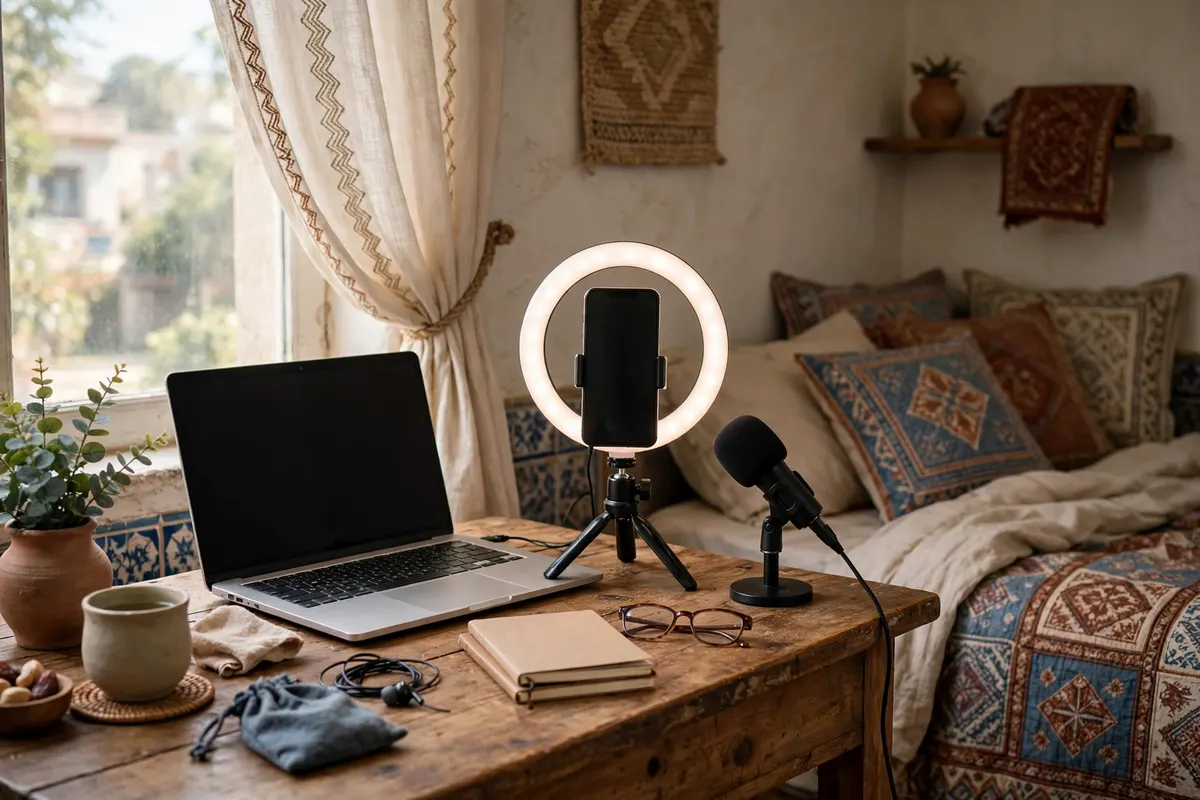
Your phone is your camera, and for your first videos it is more than good enough. Record in 1080p — 4K looks better but eats storage and slows editing on a phone. The two things that actually change how your video looks are light and sound, not the camera. Shoot near a window in the daytime, or buy a ring light for $5.99 to 3,000 from any mobile accessories shop — it makes your face bright and clear even at night. For sound, record in the quietest room in the house, close the fan and the door, and hold the phone close. A small lavalier microphone costs around $1.99 to 1,500 and is the single best early purchase a creator can make, because viewers forgive a shaky video but they leave a video they cannot hear. Put the phone on a tripod or a stack of books so the shot is steady, frame yourself from the chest up with a little space above your head, and record a 10-second test before every video. If the test looks and sounds fine, the video will too.
Step 4 — Record your first video 🎙️
Write five bullet points before you press record — the hook, the three main points, and the ending. Do not write a full script word for word unless your video needs exact wording; bullet points keep you natural and stop you reading like a robot. Start with the hook in the first ten seconds: say what the viewer will learn, not who you are. 'Today I will show you how to make your phone battery last the whole day' beats a thirty-second introduction every time. Speak the way you speak to a friend, in Urdu, English or Roman Urdu — whatever your audience speaks. Mistakes are fine: pause, say the line again, and cut the bad take out in editing. Record each part separately if it helps — an intro, then each point, then the ending — and stop after every part to check the sound. A ten-minute video takes most beginners an hour to record, and that is normal. The goal of the first video is not perfection. It is a finished video, published, so the second one can be better.
Step 5 — Edit it in CapCut Pro ✂️
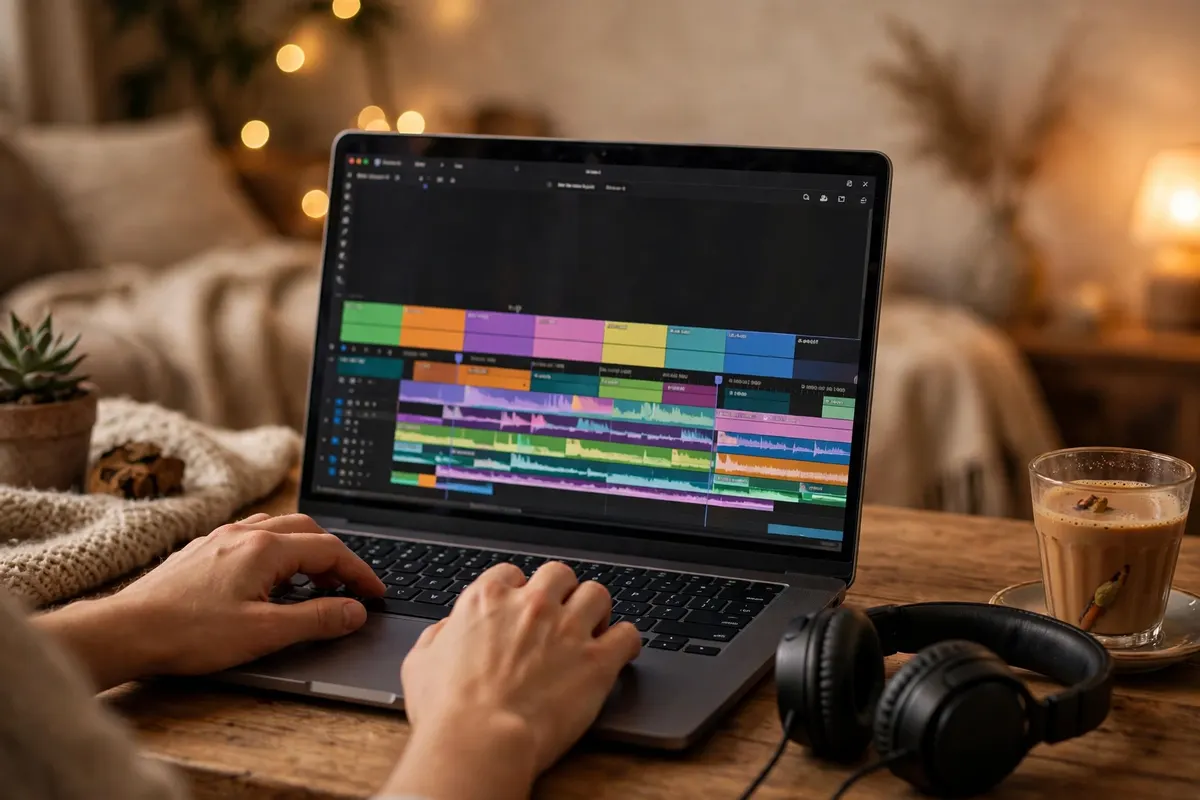
Editing is where a rough recording becomes a video people watch to the end, and CapCut is the editor almost every European creator starts with because it runs on the phone and the basics are free. Cut the pauses, the mistakes and the long silences first — that alone makes a video feel twice as professional. Then add captions, because most people in Europe watch with the sound low or off, and auto-captions do the work for you. Then add a little background music at low volume, a zoom on the important line, and a clean end screen. CapCut Pro on this store is $5.99 a month shared (1 device) or $8.99 a month private, and it removes the watermark, unlocks the premium effects, templates and auto-captions, and lets you export without limits. Use the free version for your first few videos. When you find yourself editing every day and hitting the free limits, that is the moment the Pro plan earns its money. Edit on the phone if you are starting out, and move to a laptop later when your videos get longer and the timeline gets crowded.
Step 6 — Scripts and voiceovers with AI 🤖
If your channel is faceless — a documentary, an explainer, a news-style video — you still need a voice, and this is where AI tools quietly do a lot of the work for European creators. ChatGPT 5 on this store is $8.99 a month shared or $35.99 a month private, and it turns a rough idea into a structured script, suggests titles and hooks, and fixes your wording — but the ideas and the examples should still be yours, because a script that sounds like every other AI script gets scrolled past. For the voice itself, ElevenLabs Creator is $10.99 a month and produces a natural-sounding voiceover in English and Urdu from your script, which is how many faceless channels record without a microphone or a quiet room. If you want a cheaper long-term AI helper, Gemini Pro is $8.99 for 18 months on your own email, with 5TB of Google Drive storage and Veo 3 video generation included. One honest warning: YouTube reviews channels before monetisation, and a channel that is only an AI voice over copied clips can be rejected as reused or low-effort content. The voice is a tool. Your script, your editing and your own value are the video.
Step 7 — Thumbnails that get clicked 🖼️
Nobody watches a video they never click, and the click is decided by two things: the title and the thumbnail. A good thumbnail has one clear face or object, three or four big words at most, and bright colours that stand out on a small phone screen. Do not put a whole sentence on it — that is what the title is for. Canva Education at $5.99 a year gives you thousands of YouTube thumbnail templates you can change in minutes, and it is the fastest way for a beginner to make thumbnails that look professional. If you want a custom image instead of a template, Leonardo AI Apprentice is $10.99 and makes clean images from a text description — good for story thumbnails and faceless channels. And if you need a short AI video clip for a B-roll or an intro, Kling AI Standard is $16.99. Make three different thumbnails for your first videos and see which style gets more clicks — YouTube Studio shows you the click-through rate for every video, and that number is the most useful feedback you will get in your first month.
What it costs — the full starter table 💰
Here is the honest cost picture, with every price taken from this store's own product pages. Prices are in USD, and the price on the product page at the time you order is the price you pay — prices change, and this page is written in November 2026.
Channel setup — free — Google account + YouTube app — $1.99 forever.
Recording — free — your phone camera + daylight or a ring light — $1.99 to start, a ring light is about $5.99 to 3,000 in a shop.
Editing — CapCut Pro — Shared (1 device) $5.99 a month — Private $8.99 a month — free version is enough for your first videos.
Scripts and ideas — ChatGPT 5 — Shared Business $8.99 a month — Private Business $35.99 a month — or Gemini Pro $8.99 for 18 months on your own email.
Voiceover — ElevenLabs Creator — $10.99 a month — only needed for faceless videos.
Thumbnails — Canva Education — $5.99 a year — the cheapest tool on this list.
Images for thumbnails — Leonardo AI Apprentice — $10.99 — optional, Canva covers most beginners.
AI video clips — Kling AI Standard — $16.99 — optional, for intros and B-roll.
The cheapest real starter stack is $1.99 — phone, free CapCut, free Canva, and your own voice. A comfortable monthly stack for a creator posting every week is CapCut Pro shared at $5.99 plus Canva Education at about $1.99 a month, which is roughly $5.99 a month in total. Add ElevenLabs at $10.99 only if your channel is faceless. Nothing on this list needs to be bought before your first video is published.
How to upload a video properly 📤
Uploading is not just pressing a button — the details around the video decide who YouTube shows it to. Give the video a title people actually search for, with the main words near the start: 'How to make biryani at home' beats 'My new video!!' every time. Write the first two lines of the description like a summary, because that is what shows in search results, and put the important keywords there in natural words. Add a few honest tags, pick the right category, and choose a thumbnail that matches the title — if the title promises biryani, the thumbnail should show biryani. Set the video to public only when everything is checked, and reply to the first comments yourself: early comments tell YouTube the video is alive, and they tell your first viewers that a real person is behind the channel. Then look at YouTube Studio the next day — not for the view count, but for the audience retention graph, which shows exactly where people stop watching. That graph is your teacher for the next video.
Shorts: the fastest way to your first 1,000 subscribers ⚡
Shorts are vertical videos under 60 seconds, and they are the fastest way a new European channel gets discovered, because YouTube pushes them to people who have never heard of you. Cut the best 30 seconds from a long video, or record a quick tip, a funny moment or a before-and-after, and post it as a Short. Two or three Shorts a week can bring your first 1,000 subscribers in weeks instead of months. But Shorts alone do not build a channel: the 4,000 watch hours for monetisation come from long videos, and Shorts viewers rarely become loyal subscribers on their own. The plan that works is both — Shorts to get discovered, and one proper long video a week to build the audience that stays. And remember the February 2027 change: from then on, the Shorts route to ad revenue needs 20 million views in 90 days instead of 10 million, so a channel built only on Shorts faces a much harder bar than it does today.
Monetisation in Europe — the real rules 💵
To earn money from ads on your videos you need to join the YouTube Partner Program. The current rules, checked in November 2026, are: 1,000 subscribers, plus either 4,000 valid public watch hours in the last 12 months or 10 million valid public Shorts views in the last 90 days, with no active Community Guidelines strikes and a linked AdSense account. There is also an earlier level at 500 subscribers with 3,000 watch hours or 3 million Shorts views, which unlocks fan funding like channel memberships and Super Chat, but not ad revenue. YouTube announced in August 2026 that from 1 February 2027, new applicants for ad revenue need 8,000 watch hours in 365 days or 20 million Shorts views in 90 days — double the current bar — while channels already in the program keep their status. That date is the reason to start now rather than later. Once you are accepted, YouTube pays through Google AdSense into your European bank account in dollars, after you reach the payout threshold. How much you earn depends on your topic, your viewers' country and the season — there is no fixed rate per view, and anyone promising a fixed monthly income from YouTube is selling you a dream, not a fact.
Honest limits — read this before you start ⚠️
A YouTube channel is a slow build, and the honest version is this: most channels earn nothing for the first six months, and many never reach monetisation at all. The channels that make it are the ones that kept posting when nobody was watching. Do not buy subscribers or views — YouTube detects them, they do not count toward monetisation, and they can get your channel rejected when you apply. Do not re-upload other people's videos or use copyrighted music and clips without permission — a copyright strike can take your channel down, and reused content is the most common reason monetisation applications are refused. Do not use a shared AI plan for anything private: the ChatGPT 5 shared plan at $8.99 is shared between 4 users, so never type passwords, personal documents or CNIC details into it. And do not spend your savings on gear before you have ten videos out — a $714.99 camera does not fix a boring video, and a phone video with a good idea beats it every time. The rule that has worked for a thousand European creators is simple: ten videos first, then judge. If you still enjoy it after ten, you have a channel. If not, you spent nothing and you learned something.
How to order the tools on this store 🛒
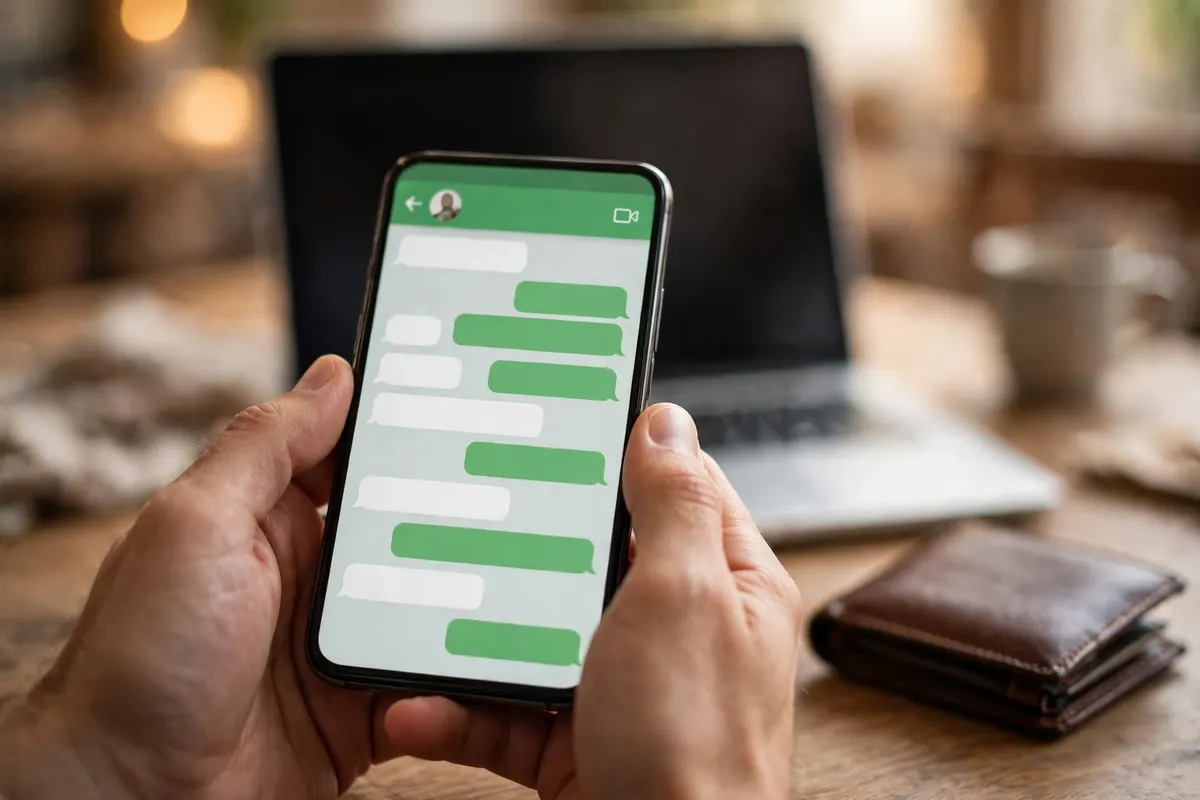
When you are ready for the paid tools, ordering takes a few minutes. Open the CapCut Pro page and pick Shared at $5.99 a month or Private at $8.99 a month — shared is 1 device only, so pick the device you edit on. For voiceovers, open the ElevenLabs page and pick the Creator plan at $10.99 a month. For scripts, open the ChatGPT 5 page and pick Shared Business at $8.99 or Private Business at $35.99. For thumbnails, the Canva Education page has the 1-year invite at $5.99. On any of these pages, tap Order on WhatsApp, confirm the plan in the chat, pay with the details shared on WhatsApp, and your account details arrive on WhatsApp, usually within minutes, with a 30-day warranty. Start with one tool, use it for a month, and add the next one only when your videos show you need it.
Starting a YouTube channel in Europe is not a purchase and it is not a gamble — it is a habit. One topic, one video a week, a phone, and ten videos before you judge yourself. The tools on this store are there to make the habit easier, not to replace it. Publish the first video this week, while the idea is still warm, and let the second video be the one that is better. That is how every big European channel started — not with perfect gear, but with a first video that was good enough to publish.
Frequently asked questions ❓
How much does it cost to start a YouTube channel in Europe?
$1.99. Creating a channel is free, and you can record and edit on the phone you already own with free apps. The paid tools only make the work faster and better looking — CapCut Pro starts at $5.99 a month, Canva Education is $5.99 a year, and ChatGPT 5 shared is $8.99 a month on this store. Start free, spend money only after your first few videos are out.
Can I start a YouTube channel with just a phone?
Yes. Most new European creators start with a phone camera, a ring light and a quiet room. Record in good daylight or with a ring light, keep the phone steady on a tripod or a stack of books, and edit in CapCut on the same phone. A laptop only becomes useful later, when your edits get heavier or you start making longer videos.
What do I need to monetise a YouTube channel in Europe?
To earn from ads you need to join the YouTube Partner Program: 1,000 subscribers plus either 4,000 valid public watch hours in the last 12 months or 10 million valid public Shorts views in the last 90 days, with no active Community Guidelines strikes and a linked AdSense account. From 1 February 2027, new applicants face a higher bar — 8,000 watch hours or 20 million Shorts views — so starting now matters. These rules were checked in November 2026 and YouTube can change them, so re-check YouTube's own help pages before you apply.
How much does YouTube pay in Europe?
There is no fixed salary and no fixed rate per view. YouTube pays a share of the ad money your videos earn, and that depends on your topic, your viewers' country, the season and how many ads run. Finance and tech videos usually earn more per thousand views than vlogs or entertainment. Treat the first months as building an audience, not as income — the money follows the audience, not the other way round.
Is CapCut Pro worth it for a new YouTuber in Europe?
For most beginners, yes — but only after you have made a few videos with the free version. CapCut Pro on this store is $5.99 a month shared (1 device) or $8.99 a month private, and it removes the watermark, unlocks premium effects, templates and auto-captions, and makes editing far quicker. If you edit on your phone every day, it pays for itself in saved time. If you post once a month, the free version is enough for now.
Can I use AI voiceovers on YouTube?
Yes, but with care. A natural AI voice from ElevenLabs — Creator plan $10.99 a month on this store — works well for faceless videos, explainers and documentaries, and many European channels use it. But YouTube reviews channels before monetisation, and videos that are only a robot voice over copied clips can be rejected as reused or low-effort content. Add your own script, your own editing and real value, and the voice is just a tool — it is not the video.
Which is better for a new channel — long videos or Shorts?
Both, for different jobs. Shorts are the fastest way to reach people — they can bring your first 1,000 subscribers in weeks. Long videos are what build watch hours and loyal viewers who actually come back. The practical plan is simple: post Shorts to get discovered, and post one proper long video a week to build the channel. The 4,000 watch hours for monetisation come from long videos, not from Shorts views.
Do I need a laptop to start a YouTube channel?
No. A phone handles recording, editing in CapCut, thumbnails in Canva and uploading to YouTube. A laptop becomes helpful when you edit long videos, use a desktop editor, or work with AI tools like ChatGPT 5 and Leonardo AI on a bigger screen. Start on your phone and buy a laptop when your channel — not your shopping list — says you need one.
How do I get paid from YouTube in Europe?
YouTube pays through Google AdSense. Once your channel is accepted into the Partner Program, you link an AdSense account, add your European bank account details, and AdSense sends your earnings to that bank in dollars. You need to reach the payout threshold first, and the money arrives after YouTube's monthly payment cycle. Never pay anyone who promises to 'activate monetisation' for you — only YouTube can do that, and only after you meet the real requirements.
What is the February 2027 monetisation change?
YouTube announced in August 2026 that from 1 February 2027, new applicants for ad revenue sharing need 8,000 qualified watch hours in 365 days or 20 million qualified Shorts views in 90 days, instead of the current 4,000 hours or 10 million views. Channels already in the program keep their status. If you are close to the current bar, apply before that date — and if you are just starting, plan your first months around the higher bar, because that is the one you will actually face.
Can I use ChatGPT to write my video scripts?
Yes — as a writing partner, not as the author. ChatGPT 5 on this store is $8.99 a month shared or $35.99 a month private, and it is good at turning a rough idea into a structured script, fixing your wording and suggesting hooks and titles. But the ideas, the examples and the opinions should be yours. A script that sounds like every other AI script gets scrolled past. Write your own rough draft first, then let ChatGPT improve it.
How do I order CapCut Pro or ElevenLabs in Europe?
Open the CapCut Pro or ElevenLabs page on this store, pick your plan, and tap Order on WhatsApp. Confirm the plan in the chat, pay with the details shared on WhatsApp, and your account details arrive on WhatsApp, usually within minutes, with a 30-day warranty. CapCut Pro is $5.99 shared or $8.99 private a month, and ElevenLabs Creator is $10.99 a month.